
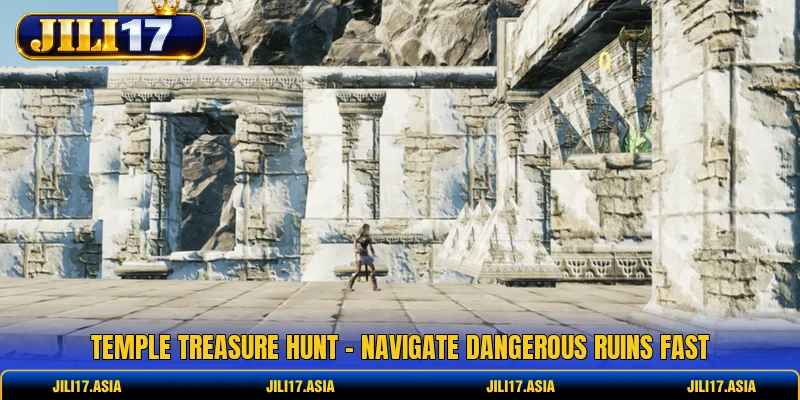
Temple Treasure Hunt requires executing precise jumps to avoid deadly ancient traps continuously. Sharp digital adventurers memorize maze layouts prior to initiating fast survival runs. This specific guide from JILI17 is written for action fans to help everyone grasp navigation methods aiming to conquer challenging stages instantly.
Storyline of Temple Treasure Hunt
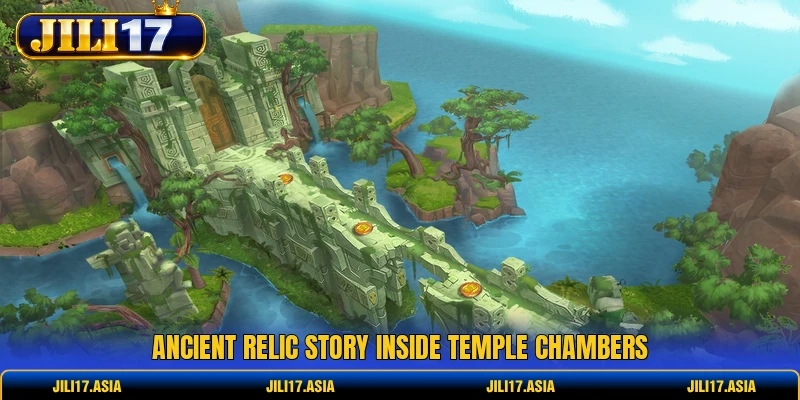
The story begins with a silent temple covered by old carvings, sealed paths, plus traces of a vanished expedition. Every chamber feels connected to a buried prize, yet the path forward depends on careful reading of signs. This setup gives the hunt a clear rhythm where danger, discovery, plus reward clues share equal weight.
- Forgotten entrance: The scene presents cracked gates, faded wall marks, plus buried footsteps suggesting the search began before the current spin.
- Hidden chamber: Secret rooms create tension because each space may hold a relic clue, a locked route, or a trap waiting behind stone doors.
- Relic trail: Ancient symbols guide the visual story while helping the temple theme stay connected to movement, risk, plus possible prize routes.
- Final vault: The treasure room works as the story goal because every map sign, key mark, plus protective charm points toward that sealed space.
Support item system in Temple Treasure Hunt
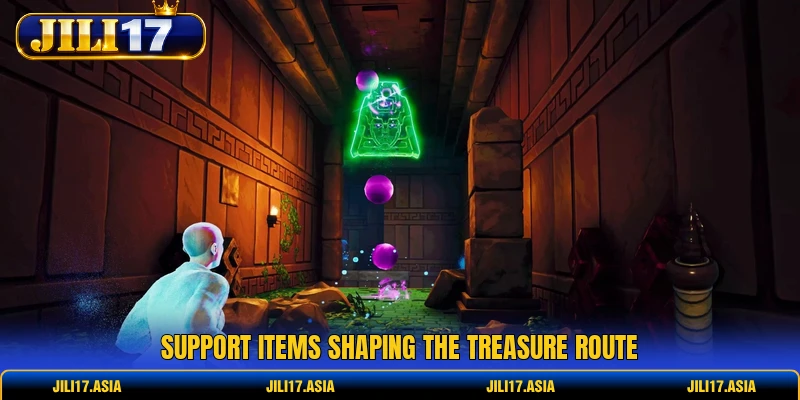
Support items shape how the temple setting feels during each stage of movement. Their meaning becomes clearer when visual design connects each object with timing, direction, risk control, plus prize review.
Treasure map route in Temple Treasure Hunt
A map gives the hunt its first layer of order because the temple space can feel confusing without a visible route. It suggests where chambers connect, which turns look risky, plus how hidden paths may build tension. Careful map reading also prevents the treasure theme from becoming plain background decoration.
Inside Temple Treasure Hunt, the map should be read as a guide to movement rather than a guaranteed prize sign. Its value comes from helping the player understand direction, not from promising a result. When symbols appear near route markings, the screen can feel more connected to the central search.
The strongest map design usually avoids clutter because too many lines can weaken visual meaning. Clean markings, aged paper texture, plus clear destination points make the item easier to follow. A readable map supports the adventure mood while keeping attention fixed on approved result logic.
Golden key opening secret rooms
A golden key creates a clear sense of access because locked rooms need a visible reason to open. The item fits naturally with hidden chambers, sealed doors, plus narrow passages. Its role is strongest when the design shows restraint, since constant key effects can reduce the feeling of discovery.
In Temple Treasure Hunt, the golden key should signal progression without replacing actual reward rules. A key on screen may feel important, yet its value depends on how the game records the event. Clear timing helps separate dramatic door animation from the verified result behind that moment.
Secret room imagery works best when the key appears before a meaningful transition. A sudden unlock can build suspense because the player expects a changed scene or fresh symbol set. Still, the item must stay part of the rule structure rather than becoming a decorative shortcut.
Protective charm avoiding traps
A protective charm adds balance to the darker side of temple exploration because traps need a counterpoint. The item can soften the mood around falling stones, darts, or cursed floor panels. Its presence helps the theme feel less random by giving danger a recognizable visual response.
Within Temple Treasure Hunt, the charm should be understood as a support symbol tied to trap awareness. It may suggest safety, but final value still comes from the written rule set. This keeps the charm useful for reading tension without turning protection imagery into false certainty.
Good charm design often uses simple light, engraved metal, or ancient thread detail to stand apart from treasure icons. That separation matters because support items must not be confused with premium relics. Clear visual spacing makes trap scenes easier to judge during faster rounds.
Compass for accurate direction
A compass gives the adventure a practical anchor because temple routes can turn quickly through similar halls. Directional symbols help the screen feel guided instead of scattered across unrelated chambers. This item also suits exploration themes where small route choices can change the feeling of progress.
In Temple Treasure Hunt, the compass supports orientation more than reward prediction. It can point toward a hidden path, but the result still depends on approved symbols plus recorded conditions. That distinction keeps the item grounded, especially when movement effects become fast or visually busy.
Compass animation should remain smooth because rapid spinning can distract from the reel area. A steady needle, aged rim, plus subtle glow can strengthen direction without overwhelming other elements. When used carefully, the item adds purpose to movement across the temple layout.
Reward claim rules in Temple Treasure Hunt
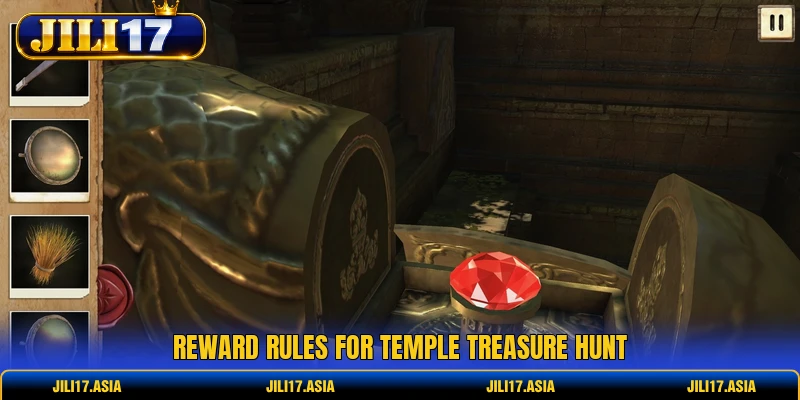
Reward rules matter because treasure visuals can make a screen look richer than its recorded value. A clear review method helps separate confirmed results from near misses, scattered relics, or dramatic effects. The safest reading comes from checking symbol count, route direction, plus feature conditions together.
- Line approval: A visible match should count only when the game confirms its route under active rules, because nearby relics may still fail.
- Symbol distance: Premium items can show wider value gaps between shorter matches plus full routes, so count length before judging the prize.
- Feature entry: Special symbols in Temple Treasure Hunt need the required amount or position before any bonus screen should be treated as active.
- Trap condition: Trap scenes may change the mood, yet they should not be valued unless the rule table links them to a recorded outcome.
- Payout review: Final prize reading should compare symbol type, line order, plus listed value before balance movement is considered settled.
Conclusion
Memorizing distinct trap patterns prevents massive point deductions during highly intensive digital survival rounds completely. Consistent Temple Treasure Hunt success relies upon maintaining absolute mental focus whenever screen scrolling speeds increase drastically. Good luck executing these advanced dodging strategies during upcoming intense survival matches at the JILI17 platform.
